
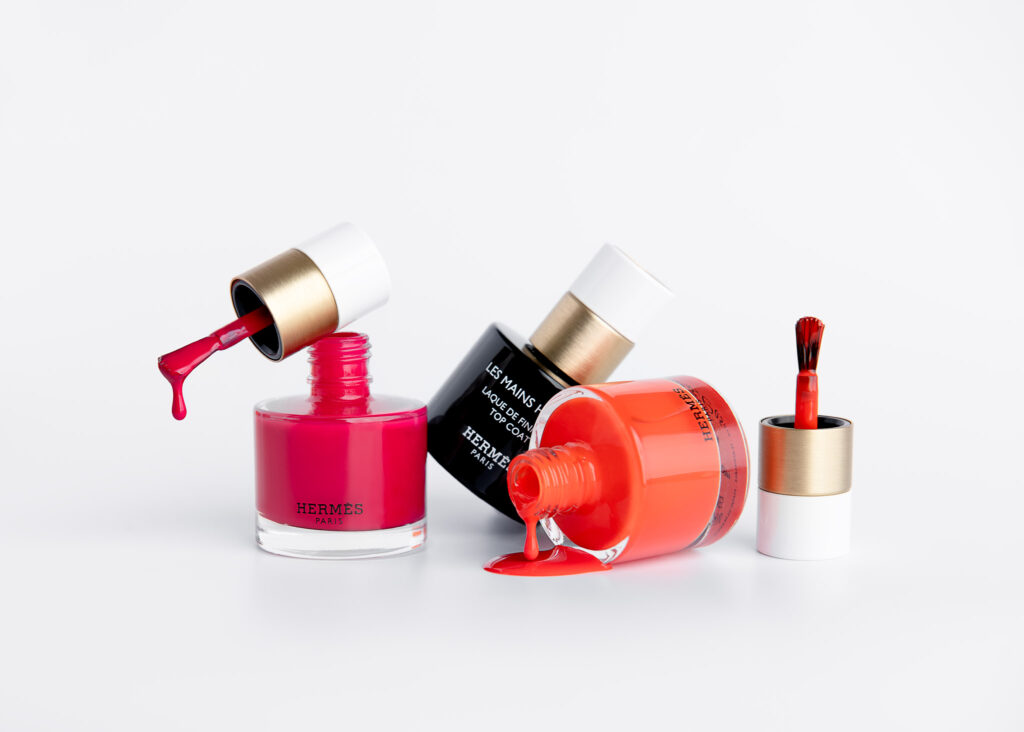
Most people can sense when a product photo looks professional, even if they cannot explain why. It just feels cleaner. More trustworthy. Easier to believe. On the flip side, amateur product photos often leave shoppers unsure, even when the product itself is good.
The difference is not about owning an expensive camera. It comes down to control, consistency, and intention. Studio photography is created with selling in mind. Amateur photos are usually created just to show the product.
Lighting Makes or Breaks the Image
Lighting is often the biggest giveaway. Amateur photos usually depend on natural light or whatever lighting happens to be available in the room. That means shadows shift, reflections appear, and colors change from one photo to the next.
In a professional studio, lighting is fully controlled. Each light is placed for a reason. Highlights are shaped to show texture and form, and shadows are softened so they add depth instead of distraction.
This level of control is what gives studio product photography its clean, polished look.
When lighting is inconsistent, products can appear dull, cheaper than they really are, or even misleading. Studio lighting removes that uncertainty.
Consistency Creates Confidence
One common issue with amateur photos is inconsistency. A single image might look fine, but when customers browse a full product collection, the differences become obvious. Backgrounds change. Angles vary. Colors do not quite match.
Professional studios follow a consistent visual system. Every product is photographed with the same approach, creating a catalog that feels organized and intentional. Brands that rely on consistent studio product photography build trust faster because shoppers know what to expect as they move from one product to the next.
Consistency may not feel exciting, but it plays a major role in how professional a brand looks.
Details Matter More Than You Think
Amateur photos often lose clarity where it matters most. Fine textures, sharp edges, labels, and materials can look slightly soft or blurred, especially on mobile screens or high-resolution displays.
Studio photography focuses heavily on detail. Professional lenses, precise focus, and controlled depth of field make sure customers can clearly see what they are buying. When details are visible, shoppers feel more confident and hesitation drops.
Clear images answer questions before they are asked.
Accurate Color Sets the Right Expectations
Color accuracy is another area where amateur photos struggle. Without proper lighting and calibration, products may look warmer, cooler, or brighter than they actually are. That disconnect often leads to disappointment when the item arrives.
Professional studios use color-managed workflows to ensure images reflect real-world colors. This is one of the biggest advantages of working with experienced studio product photography teams.
Accurate color helps customers feel confident and reduces the chance of returns.
Composition Is Intentional, Not Accidental
Amateur photos tend to focus on fitting the product into the frame. Studio photography focuses on how the product sits in the frame. Every angle, crop, and position is chosen to highlight features and create balance.
Good composition guides the viewer’s eye naturally. It helps the product feel premium, even before a customer reads a single word of copy.
Editing Supports the Product, Not the Other Way Around
Overediting is a common mistake in amateur photography. Heavy filters and exaggerated colors can make a product feel artificial or untrustworthy.
Professional editing is subtle. The goal is to clean up the image, not change the product. Small imperfections are corrected, lighting is balanced, and the final result still looks natural.
Why This Difference Impacts Sales
Shoppers may not consciously analyze lighting or composition, but they react to it instantly. Professional images signal credibility. Amateur images raise questions.
For brands that want to grow, compete, and convert more visitors into buyers, studio photography is not about looking fancy. It is about removing doubt.
Clear images build trust. Trust leads to sales.